Don't Let It
Steal Your Sight.
Glaucoma is the silent thief of sight. Half of those affected don't even know they have it. Early detection can save your vision — for life.

What is Glaucoma?
A group of related eye disorders that quietly damage the optic nerve — often without warning. Understanding it is the first step to defeating it.

A silent disease that strikes without warning.
Glaucoma is a group of related eye diseases that lead to increased intraocular pressure (IOP). If left untreated, this pressure damages the optic nerve and can cause permanent blindness.
Most types of glaucoma are completely painless. By the time symptoms appear, significant damage has already been done. That's why screening — even when you feel fine — is the single most important thing you can do for your eyes.
“Glaucoma is the silent thief of sight. It steals quietly, until there is nothing left to steal.”Take the risk test →
Who's at risk?
Five groups face significantly higher risk. If one or more applies to you, schedule a screening.

Above 40
Risk increases sharply after age 40.
Steroid Use
Long-term corticosteroid treatment.
Hypertensive
High blood pressure raises eye pressure.

Diabetic
Diabetics are 2× more likely to develop.

Family History
Genetics raise risk up to 9×.
A silent progression.
Glaucoma usually develops gradually over years. Knowing the stages helps you and your doctor act early.
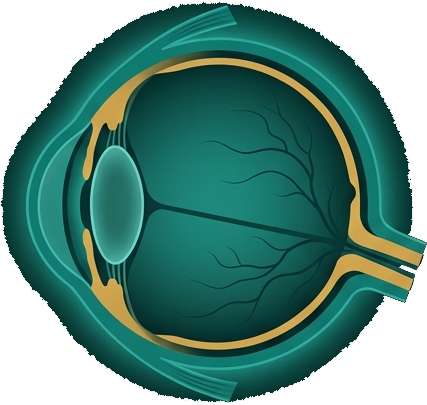
Healthy Drainage
Aqueous humor flows freely, eye pressure stable.
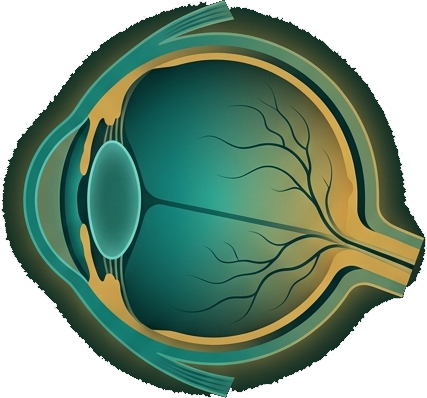
Pressure Builds
Drainage slows. Pressure rises silently.
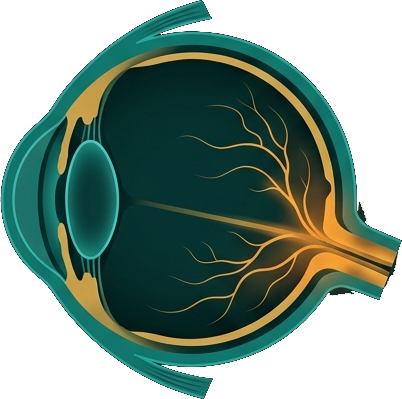
Nerve Damage
Optic nerve fibers begin to die.
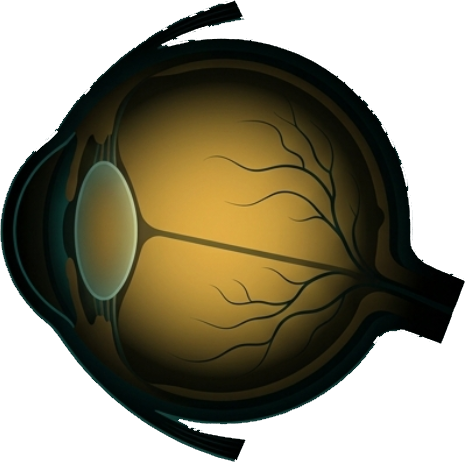
Vision Loss
Peripheral vision fades — often unnoticed.
Types & diagnosis.
Glaucoma comes in several forms. Painless tests can detect any of them — long before you'd notice symptoms yourself.
Six Main Types
How Doctors Diagnose
Watch & learn.
Short bilingual videos explaining glaucoma, treatment and daily care.
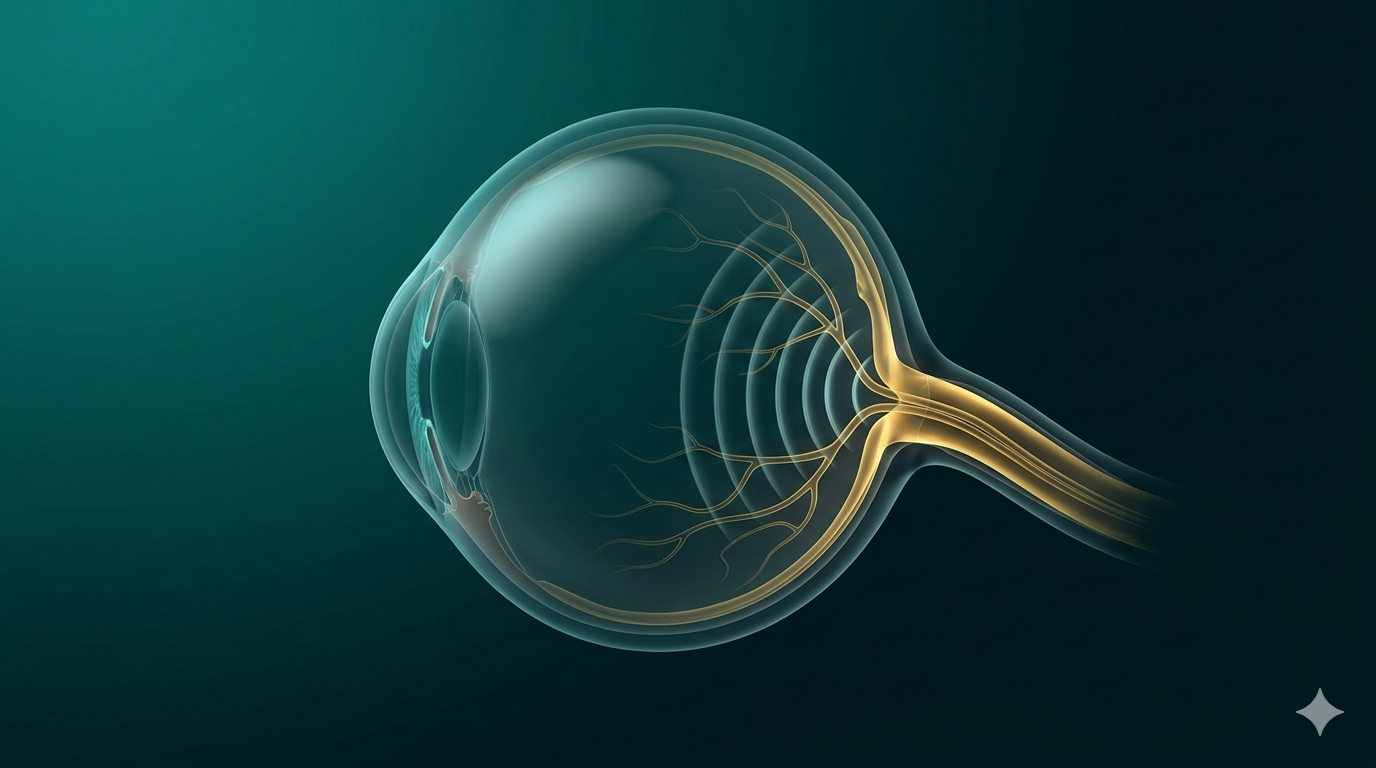
What is Glaucoma?
3 min explainer
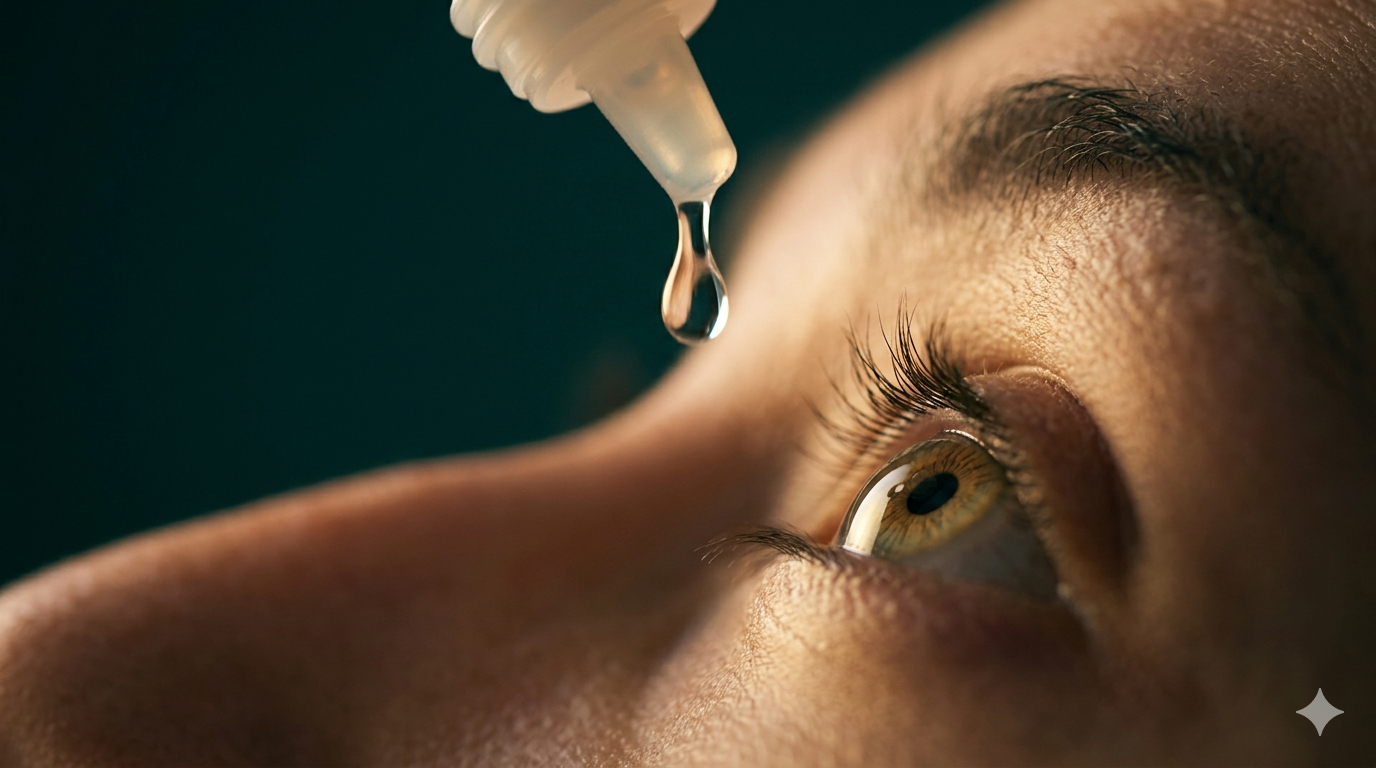
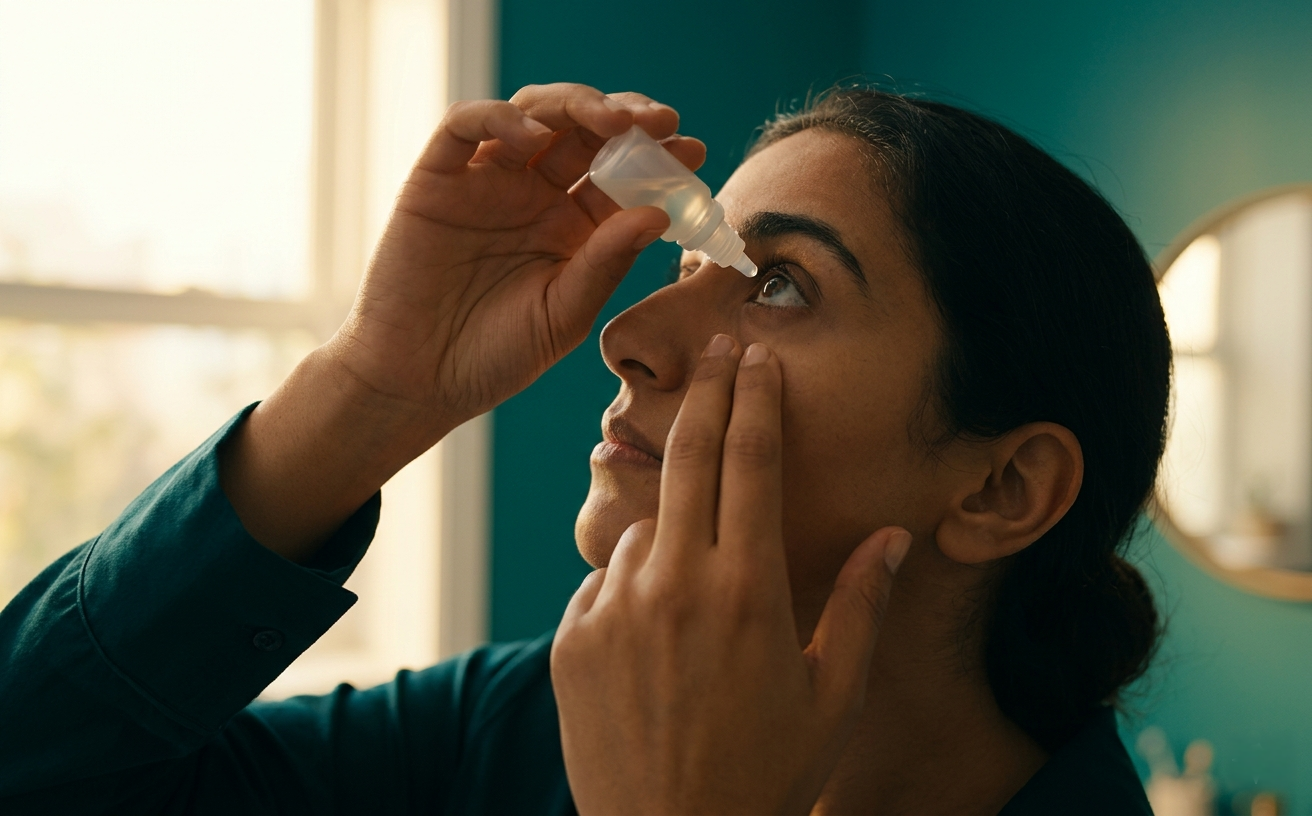
Eye Drop Technique
5 min how-to

Living Well
8 min patient guide
Life continues.
A diagnosis isn't the end. With the right routine, tools and community, life stays full.

Patient Support
You're not alone. Connect with others walking the same path.
- Monthly support groups
- Bilingual counselling
- Specialist referrals
Daily Challenges
Practical tips for navigating life with reduced vision.
- Medication routines
- Lighting at home
- Driving guidance

Myths & Facts
Separate truth from misinformation about glaucoma.
- Common myths debunked
- Medically reviewed
- Bilingual content
Awareness events.
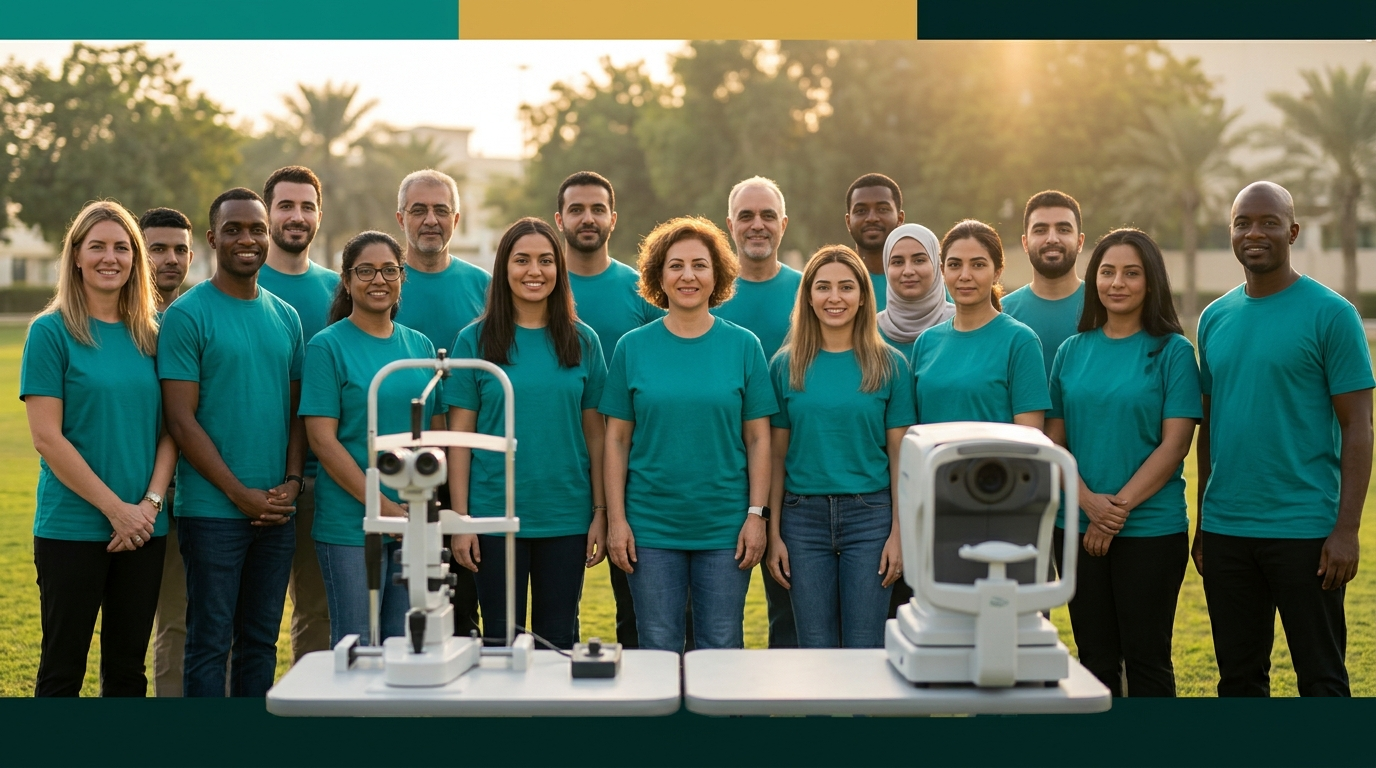
Join our live screenings, webinars and community talks — bilingual and free.
World Glaucoma
Awareness Webinar
Top specialists answer your questions on early detection, treatment options and living well with glaucoma. Live Q&A in English and Arabic.
Free Screening Day
On-site at partner clinics
Patient Meet-up
Community gathering
Treatment Webinar
Drops, lasers, surgery
Caregivers' Workshop
Supporting loved ones
Are you at risk?
A 2-minute confidential questionnaire helps you understand your personal risk profile and whether you should book a screening.
Start Free Risk Assessment →Common questions.
Quick answers to the questions we hear most. Don't see yours? Get in touch — our specialists respond within 48 hours.
No, but it can be controlled. Early treatment stops progression and preserves vision for life in most cases.
Comprehensive eye exams every 2 years from age 40, or earlier if you have risk factors.
Yes — having a parent or sibling with glaucoma increases your risk significantly.
Not if detected and treated early. Modern treatments are highly effective at slowing or stopping progression.
No — they may sting briefly. With practice, drops become a quick part of your daily routine.

Stay informed. Stay seeing.
Monthly updates on screenings, webinars and the latest in glaucoma care — bilingual, free, no spam.